

 FRE
 ENG
 ESP
 KOR

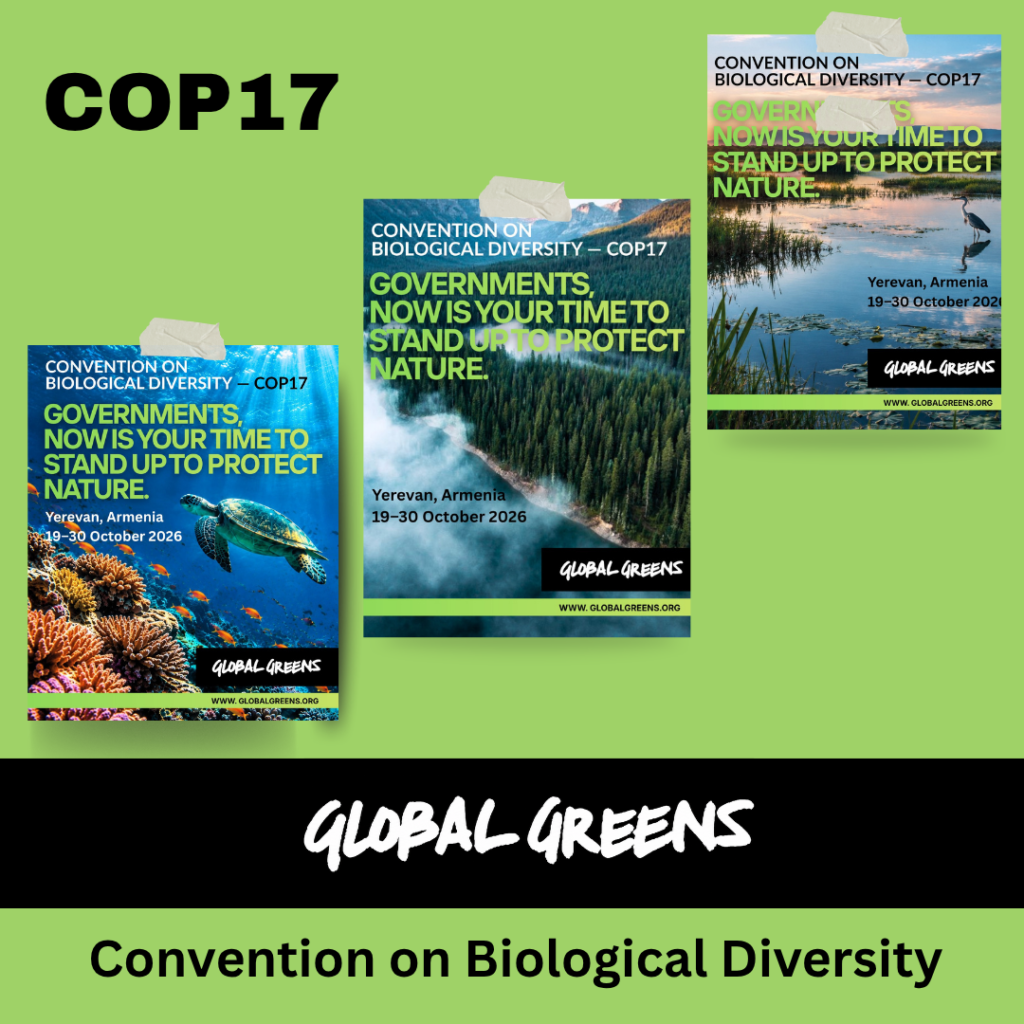
Getting Biodiversity Protection Back on Track – COP17 Convention on Biological Diversity
COP17 of the Convention on Biological Diversity (CBD) met in Yerevan, Armenia on October 19-31, under the theme of Taking Action for Nature. Decisions made at COP17 can help to get biodiversity protection back on track if meaningful and concrete action is taken and quickly. The meeting landmark was the review of the first Global Stocktake on biodiversity ever undertaken on the implementation of the Global Biodiversity Framework (GBF), adopted at COP15 Montreal in 2022, where 23 targets to be delivered by 2030, were agreed by each of the 196 parties to the Convention.
92% of countries forwarded national targets for the Biodiversity Global Review which highlighted that the 30% land restoration and 30% land protected areas targets are heading on track for 2030 (if implemented) but that marine and freshwater protection are not, with marine reserves at only 12%. Other of the 23 targets such as reduction of hazardous pollution by 50% will not be met with the current national action plans. The Global Greens advocate for more ambitious measures, including a 50% target for area protection; in areas of high ecological value such as the Amazon of up to 80% of area protection; and that large scale ecosystem disruption should be prohibited. Species extinction is catastrophic with monitored wildlife populations having declined by 73% in the past fifty years up to 2020.
At COP17 around 50 decisions were made including the Yerevan Pathway which identifies priorities to be accelerated to halt and reverse biodiversity loss. This includes tackling the nature-harmful subsidies and incentives; increasing financial, scientific and technical support for developing countries; and aligning national budgets and economic decisions with the Global Biodiversity Framework (GBF). The intent is to bridge commitments with action on the ground.
Key discussions blocked by a handful of countries, centred around targets for reversal of harmful agriculture subsidies (target 18) and increasing financial mechanisms to (target 19). Harmful subsidies amount to over US$7trillion per year, if these funds are reinvested int biodiversity protection measures then the 2030 targets could be on track. Ahead of COP 17 over 130 businesses and financial organisations signed an open letter to Governments to reform nature-harming subsidies.
COP17 saw the first meeting of Finance and Environment Ministers at a CBD, where overall US$ 1.8 billion in new commitments were made and pledges of US$60.22 million to the Global Biodiversity Framework Fund (GBFF).
A Joint Declaration on the three Rio Convention Synergies was made, streamlining delivery of the three COPs across biodiversity (CBD), climate (UNFCCC), and land degradation (UNCCD). They each share common drivers and evidence underlines the need for synergistic action to avoid duplication and recognising that biodiversity and ecosystems are both increasingly threatened by climate change and essential to mitigation and adaptation, while biodiversity protection also provides essential carbon sinks for the Planet.
The permanent body for Indigenous People and Local Communities set up at COP16 in Colombia in 2024 (Article 8j) saw its modus operandi agreed. This recognises the integral role of indigenous peoples and local communities in environmental protection.
The Biodiversity Gender action plan was reviewed which encourages governments to include gender specific indicators and data into national strategies and plans.
The key drivers initiative to support conservation beyond designated areas was initiated, addressing the key drivers of biodiversity loss; industrial agriculture, in particular for livestock; climate change; pollution; and invasive alien species.
The Cali Fund established at COP16 in Colombia, has not yet been successful, and there is a call for funding to reach the people and places that need it the most. The companies that profit off nature, need to equitably share their benefits with the Indigenous Peoples and Local Communities, who are the custodians of much of the biodiversity that their businesses rely upon.
Future links will need to be made between the CBD marine targets of 30% protection in national waters with the High Seas Treaty (Biological diversity in areas Beyond National Jurisdiction), combining national and international marine reserves that prohibit industrial fisheries practices such as bottom trawling.
The Global Greens continue to stress the need to direct more finances towards biodiversity preservation and restoration, and for all CBD Parties to develop ambitious targets. We are dependent on biodiversity for food and water security, pollinators, health and well-being. At COP17 gains have been made. The issue is that biodiversity loss is happening at such an unprecedented level and the need is to accelerate the implementation of the CBD targets by 2030 requiring a massive shift, and fast.
References:
CBD Global Review: https://www.cbd.int/globalreview/report2026
GBF Targets: https://www.cbd.int/gbf/targets
Yerevan Pathway :https://news.un.org/en/story/2026/11/1168718