

 ESP
ESP  ENG
ENG  FRE
FRE  KOR
KOR 
Marine Conservation in Greece
Descripción general
Greece is home to some of the richest marine ecosystems in the Mediterranean. With thousands of islands and the longest coastline in the region, its seas support endangered species like the loggerhead sea turtle (Caretta caretta) y el Mediterranean monk seal. Over 60% of all Mediterranean turtle nests are found in Greece, and about half of the global monk seal population lives here. The Aegean and Ionian Seas also contain coral reefs, seagrass beds, and deep-sea habitats vital to biodiversity and coastal communities.
Figure 1: A loggerhead turtle in Zakynthos

(A key Mediterranean nesting site)
Key Threats
- Overfishing
Fish stocks are declining due to decades of intensive fishing. Many species are caught faster than they can reproduce. - Plastic and Marine Pollution
Plastic bags, nets, and litter damage marine life. Greece plans to reduce marine litter by 50% by 2030. - Unregulated Tourism
Mass tourism, especially boat traffic and beachfront construction, harms turtle nesting and marine habitats. - Habitat Destruction
Coastal development and bottom trawling damage seagrass meadows and coral reefs. - Cambio climático
Warmer seas bring invasive species and threaten coral and turtle nesting beaches.
Figure 2: The endangered Mediterranean monk seal, found mainly in Greek waters.

Conservation Efforts
- Marine Protected Areas (MPAs):
Greece has MPAs like Zakynthos (for turtles) and Alonissos (for monk seals), with a national goal of protecting 30% of its waters by 2030.
Figure 3: Entrance sign at Alonissos Marine Park, Greece’s first marine reserve.

- NGO Support:
Groups like MOm y Archelon protect monk seals and turtles through rescue centers, beach patrols, and education. Their efforts have led to record turtle nest counts and seal recoveries. - Sustainable Fishing:
Greece supports small-scale fishers and plans to ban bottom trawling in MPAs by 2030. - Eco-Tourism and Education:
Turtle-watching tours and beach clean-ups raise awareness. Schools and locals are involved in conservation. - Technology:
Drones and GPS tagging help monitor nesting, illegal fishing, and species migration.
Conclusión
Despite challenges like overfishing, pollution, and climate change, Greece has made significant progress in marine protection. Turtle nesting has increased, y monk seal populations are recovering. With stronger laws, eco-tourism, community engagement, and science-based monitoring, Greece is setting a powerful example for marine conservation in the Mediterranean.
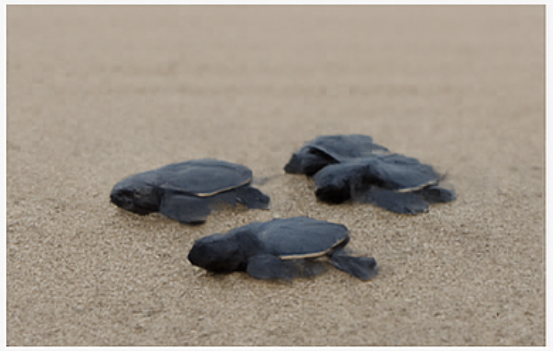
Figure 4: Loggerhead hatchlings crawling to the sea.